Government
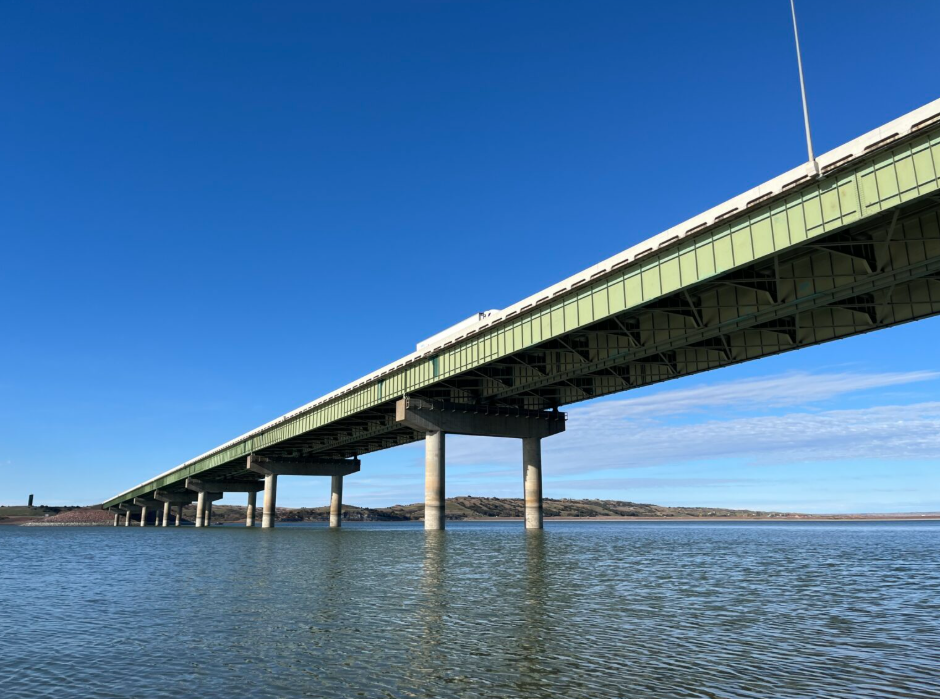
As Platte-Winner Bridge construction begins, future Missouri River projects loom
By Lila Johnson
Advertisement · Why this ad?
Diane Nguyen is an enthusiastic sports reporter with a passion for covering local high school athletics. A graduate of Minnesota State University Moorhead, she has spent the last five years reporting for local sports networks while fostering community pride through her vibrant storytelling.
More from Diane →
As the sun set over the vast, arid expanse of Western Sahara, the sound of silence began to settle in—a silence that marks the end of a 35-year chapter of international peacekeeping. On November 1, 2023, the United Nations peacekeeping mission, known as MINURSO, officially concluded, leaving behind a complicated legacy of hope and unfulfilled promises.
The UN Security Council's decision not to renew the mandate for MINURSO has sent shockwaves through the region. For over three decades, this peacekeeping mission was tasked with monitoring a ceasefire that ended hostilities between Morocco and the Algeria-backed Polisario Front. The mission was also meant to oversee a referendum for self-determination, a promise that has remained unfulfilled since the ceasefire was brokered in 1991.
UN Secretary-General Antonio Guterres announced the end of the mission, marking the beginning of what he termed the "liquidation phase." This involves the transportation of assets back to the troop-contributing countries, a logistical operation that signifies a definitive end to the UN's role in the region. Guterres noted that this closure comes in the wake of a year filled with diplomatic wrangling, as the Security Council struggled to find common ground on the future of Western Sahara.
The decision has been met with mixed reactions. Morocco, which claims sovereignty over Western Sahara, welcomed the conclusion of MINURSO, viewing it as a significant step toward consolidating its territorial claims. In contrast, the Polisario Front expressed deep concern, fearing that the end of the mission could lead to a resurgence of tensions in a region that has seen its share of conflict since the colonial era.
The roots of this conflict stretch back to the mid-20th century when Spain relinquished control over Western Sahara in 1976. The Polisario Front, representing the Sahrawi people, has since sought independence, while Morocco has maintained its claim over the territory. The UN has been involved in mediating this dispute since the late 1980s, culminating in the establishment of MINURSO.
In recent years, diplomatic efforts have intensified, particularly following a US-drafted resolution that recognized Morocco's autonomy plan as the "most feasible" solution. This plan, however, has not been universally accepted, as evidenced by Russia's veto of a resolution that would have further solidified Morocco's stance. The geopolitical dynamics surrounding this issue are complex, with Algeria's support for the Polisario Front contrasting sharply with Morocco's alliances.
Morocco’s Foreign Minister Nasser Bourita expressed satisfaction with the Security Council’s decision, describing the mission’s reference to a referendum as an "anachronism." He suggested that the non-renewal of MINURSO presents an opportunity for Morocco to reassess its diplomatic strategy regarding Western Sahara. This sentiment reflects a broader trend in international relations, where nations are increasingly seeking to redefine their roles and responsibilities in long-standing conflicts.
Conversely, Algeria's Foreign Ministry issued a statement of "deep regret" over the non-renewal of MINURSO, attributing it to what they perceive as the "excessive bias" of the United States toward Morocco. The tensions between these neighboring countries highlight the intricate web of alliances and enmities that define the politics of North Africa.
The end of MINURSO raises significant concerns for the local population, particularly the Sahrawi people, who have long endured the consequences of this protracted conflict. The absence of a peacekeeping force may lead to increased instability and insecurity in the region. Families who have been displaced since the 1970s continue to live in limbo, caught between competing national narratives and aspirations.
Community leaders and activists have voiced their fears that without international oversight, the delicate balance of peace could be disrupted. The Polisario Front's recent statements reflect a worry that the end of MINURSO could embolden Morocco to take more aggressive actions in the territory. This fear resonates deeply within the Sahrawi community, which has long sought recognition of its rights and autonomy.
The human toll of this conflict cannot be overstated. Families have been divided for decades, with many living in refugee camps in Algeria while others remain in Western Sahara under Moroccan administration. The lack of a referendum has left many feeling disenfranchised and powerless. As the community grapples with the implications of the mission's end, the stories of those affected by the conflict serve as poignant reminders of the need for a peaceful resolution.
Local organizations and NGOs have been pivotal in providing support to these communities, offering humanitarian aid and advocating for their rights. The end of MINURSO may challenge these efforts, but it also presents an opportunity for grassroots movements to gain traction and push for a peaceful solution that honors the voices of the Sahrawi people.
The future of Western Sahara remains uncertain as the international community grapples with the implications of this significant shift. With MINURSO's closure, the focus will inevitably shift to how Morocco and the Polisario Front will navigate their next steps. Will Morocco take this opportunity to strengthen its claims, or will the Polisario Front escalate its calls for independence?
As the dust settles from this decision, it is crucial for stakeholders to engage in constructive dialogue that prioritizes the well-being of the Sahrawi people. The international community must remain vigilant, ensuring that the voices of those affected by the conflict are not drowned out in the political maneuvering that is sure to follow.
In the wake of MINURSO's dissolution, local Sahrawi activists have begun organizing community forums to discuss the future and strategize on how to maintain their rights and aspirations for self-determination. Leaders like Aminatou Haidar, a prominent Sahrawi human rights advocate, have emphasized the importance of unity among the Sahrawi people to face the challenges ahead. Haidar's grassroots efforts have been instrumental in raising awareness about the plight of the Sahrawi and advocating for their rights on international platforms.
Moreover, the Sahrawi youth are increasingly becoming engaged in the dialogue surrounding their future. Many are utilizing social media to amplify their voices and share their experiences, fostering a sense of solidarity and global awareness. This digital activism is crucial, as it not only connects them with the international community but also empowers them to demand accountability and justice.
As the Sahrawi community looks to the future, they remain hopeful that the international community will not abandon them. The potential for renewed conflict looms large, but so does the possibility of a negotiated solution that respects their rights and aspirations. The coming months will be critical as both Morocco and the Polisario Front reassess their positions and the international community watches closely.
In conclusion, the end of the UN peacekeeping mission in Western Sahara marks a pivotal moment in the region's history. It is a reminder that peace is not merely the absence of conflict but the presence of justice and recognition. As the Sahrawi people continue to seek their place in the world, the hope for a brighter future remains alive, fueled by the resilience of families and communities committed to their cause.
By Lila Johnson

By Maya Patel

By Maya Patel

By Maya Patel