
Business
RedHawks hire former Twins pitcher, Saints manager George Tsamis to replace Coste
By Mark Gilliam
Advertisement · Why this ad?
Ravi Patel has a background in economics and journalism, graduated from the University of North Dakota. With four years of experience at local news outlets, he specializes in business trends and economic development in the Grand Forks area.
More from Ravi →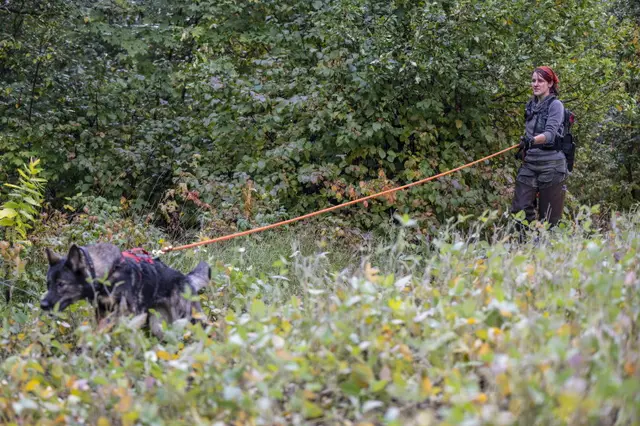
The crunch of leaves under paws, the focused intensity of a canine’s nose to the ground – these are the sounds and sights of a uniquely vital service in northern Minnesota. Stern, a six-year-old German shepherd, embodies this work, leading her human partner, Juliet Flint, through the woods in pursuit of a downed deer. This isn't a leisurely hike; it's a mission to recover game that hunters have shot but haven't been able to locate, preventing valuable meat from being lost to the wilderness. Flint, owner of Stern Game Recovery in Bemidji, is filling a growing need, and her story underscores the resilience of the American dream—building a livelihood through dedication and skill, all while respecting the natural resources that sustain it. Grand Forks Herald
The scene Flint and Stern frequently encounter is a familiar one for hunters across the region: a shot fired, a deer or bear running off, and the subsequent frustration of a lost harvest. Instead of letting the animal go to waste, hunters are increasingly turning to professionals like Flint to track and recover the game. Flint’s business, Stern Game Recovery, focuses on this niche service, recovering downed animals for hunters upon request. “I love what I do,” Flint stated, highlighting the satisfaction of combining her passion for dogs, the outdoors, and assisting hunters. The process is straightforward: Stern picks up the scent trail and leads Flint and the hunter to the downed animal, allowing the hunter to complete the harvest and preventing a needless loss of resources. This isn't just about recovering meat; it's about respecting the animal and ensuring its value isn’t squandered.
Flint’s journey to becoming a game recovery tracker wasn’t a planned career path. Prior to this, she worked with canines in narcotics detection, a field she found didn't align with her personality. “I’m not much of an indoor cat,” she said, reflecting on her previous career. It was through shadowing a retired tracker that she discovered her true calling. She quickly fell in love with the work, recognizing its potential as a full-time career. “Six years later and I’m still out here doing it,” Flint remarked, acknowledging the unexpected turn her professional life has taken. She credits a mentor for giving her the opportunity to try tracking, a chance encounter that sparked a lifelong passion. “Cleary,” she said. “I got bit by the bug is how I put it. I got the opportunity to try it once and found it’s what I want to do with the rest of my career.”
While Flint’s origin story may lack the dramatic flair of a superhero’s, it’s a testament to the power of mentorship and seizing opportunities. She primarily tracks deer and bears, working alongside her six-year-old German shepherd, Stern, who is considered “one of the most certified tracking dogs in the state.” Stern’s certification – Tracker Level 3 – demonstrates the high level of skill and training required for this specialized work. Flint also trains a six-month-old Belgian malinois, ensuring a continuity of skilled tracking dogs for the future. Minnesota Department of Natural Resources
The work of a game recovery tracker isn’t as simple as letting a bloodhound roam the woods. Flint emphasizes that it requires extensive and specialized training, often taking a year and a half to two years before a dog is ready for public tracking. “It actually takes thousands of hours, on average, of mock training scenarios as well as real life scenarios,” she explained. This training includes “layups,” where the dog tracks a known deceased animal, and scenarios designed to test the dog’s resilience and instincts. Flint’s approach involves both setting dogs up for success and intentionally creating challenges to enhance their tracking abilities. “You need to sink a lot of training hours into both of those scenarios for training before a dog is really well prepared to go out in the world and work with the general public,” she said.
The training regimen includes unique methods, such as strapping the hooves of a dead deer onto special boots — “there’s some pretty swanky equipment that comes with this line of work if you're so inclined to get that far,” she said — and having the dog track the scent trail after 48 to 72 hours. Flint also incorporates “backtracks and double-backs,” creating complex scenarios that mimic real-world tracking challenges. “A lot of the training comes down to trying to set them up for failure a little bit,” she said, acknowledging the importance of preparing dogs for unpredictable situations. She spends at least a couple of times a week working with her dogs, maintaining Stern’s skills and training the Belgian malinois. During the off-season, she and Stern assist conservation officers in tracking nuisance animals. Bemidji Area Chamber of Commerce
Flint operates as a one-woman business, but collaborates with a couple of other trackers to serve hunters from Bemidji to the North Dakota border. She encourages hunters to be proactive and keep a tracker’s contact information readily available in their phones, emphasizing the importance of preparedness. “It’s a good idea for hunters to have a tracker in their phone’s contact list so they can easily and quickly call when needed,” she advised. She observes that some hunters, in their attempts to locate downed game, engage in grid searches that can inadvertently spread the animal’s scent, making it even more difficult for tracking dogs to follow. “That carries a scent everywhere that you can possibly imagine,” she explained.
Flint advocates for hunters to forgo these prolonged searches and instead seek the assistance of a trained tracking dog. She recognizes that hunters often don’t anticipate needing this service, but urges them to be prepared nonetheless. The service not only saves time and effort for the hunter but also ensures that valuable game is recovered, contributing to responsible resource management and minimizing waste. “Sometimes hunters will spend a lot of time trying to find the deer or bear they shot, but never locating it, instead spreading their own scent throughout the woods,” she said.
What Juliet Flint is doing represents more than just a unique business venture; it embodies a commitment to tradition and a respect for the natural world. The American dream isn’t just about financial success; it’s about finding purpose and contributing meaningfully to your community. Flint’s story reminds us that fulfilling work often arises from unexpected places, requiring dedication, perseverance, and a willingness to embrace unconventional paths. The passing down of knowledge and skills, as Flint learned from her mentor, is vital for preserving these traditions and ensuring their continuity for future generations.
The increasing reliance on specialized services like game recovery also highlights the evolving challenges of rural life. While hunting remains a cherished tradition, the complexities of land management, wildlife conservation, and responsible harvesting require a new level of expertise and collaboration. It’s encouraging to see individuals like Flint stepping up to meet these needs, demonstrating the enduring spirit of self-reliance and community support that defines so many rural communities. The stability of families and the health of our communities are strengthened when individuals find meaningful work and contribute their skills to the common good.
I’m left wondering about the long-term sustainability of this niche industry. Will the demand for game recovery trackers continue to grow, or is it a fleeting trend? And what role can conservation organizations and hunting associations play in promoting responsible hunting practices and supporting the development of skilled trackers like Flint? It's clear that a commitment to both tradition and innovation will be essential for ensuring the continued success of this vital service.
Flint’s business is experiencing growing demand, reflecting a broader trend of hunters seeking professional assistance in recovering game. She encourages hunters to be proactive and keep her contact information readily available. “It’s a good idea for hunters to have a tracker in their phone’s contact list so they can easily and quickly call when needed,” she said. The collaboration with other trackers in the region ensures coverage from Bemidji to the North Dakota border, providing a reliable service for hunters across a wide geographic area.
The future of Stern Game Recovery likely involves continued training and refinement of tracking techniques, as well as exploring opportunities to expand the service area. Flint’s dedication to training her dogs and sharing her expertise with others suggests a long-term commitment to the profession. The increasing awareness of the benefits of game recovery tracking is likely to drive further demand for these services, solidifying its place in the hunting community. The continued success of Stern Game Recovery underscores the value of skilled professionals and the importance of respecting both the animal and the land. Minnesota Wildlife
2018: Juliet Flint starts Stern Game Recovery in Bemidji.
2023: Stern and Flint achieve Tracker Level 3 certification, one of only three teams in Minnesota to do so.
6: Age of Stern, the German shepherd tracking dog.
6: Months old of the Belgian malinois in training.
3: Number of teams in Minnesota with Tracker Level 3 certification.
2: Approximate number of times a week Flint works with her dogs.
Stern Game Recovery: Contact information can be obtained through local hunting organizations or by searching online. Facebook
Minnesota Department of Natural Resources: Provides information on hunting regulations and wildlife management. DNR Website
Bemidji Area Chamber of Commerce: Connects residents with local businesses and resources. Chamber Website
Minnesota Wildlife: A resource for hunting and conservation information. MN Wildlife Website
Closing paragraph: Juliet Flint’s story is a reminder that the American dream is alive and well in rural Minnesota. It’s a testament to the value of hard work, dedication, and a deep respect for the natural world. As hunters continue to rely on skilled professionals like Flint, the tradition of responsible harvesting and resource management will endure, ensuring that future generations can experience the joys and benefits of the outdoors.
Fargo, North Dakota
Business
Saturday, November 14, 2026
8 min
By Mark Gilliam

By Jake Thompson

By Lila Johnson

By Jake Thompson