
Health
Rory McIlroy backs claim that LIV tried to ‘destroy’ DP World Tour
By Erik Svenson
Advertisement · Why this ad?
Tommy Anderson is a community reporter with a knack for uncovering local stories that matter. He has a journalism degree from Minnesota State University Moorhead and has reported for several local news organizations over his eight-year career.
More from Tommy →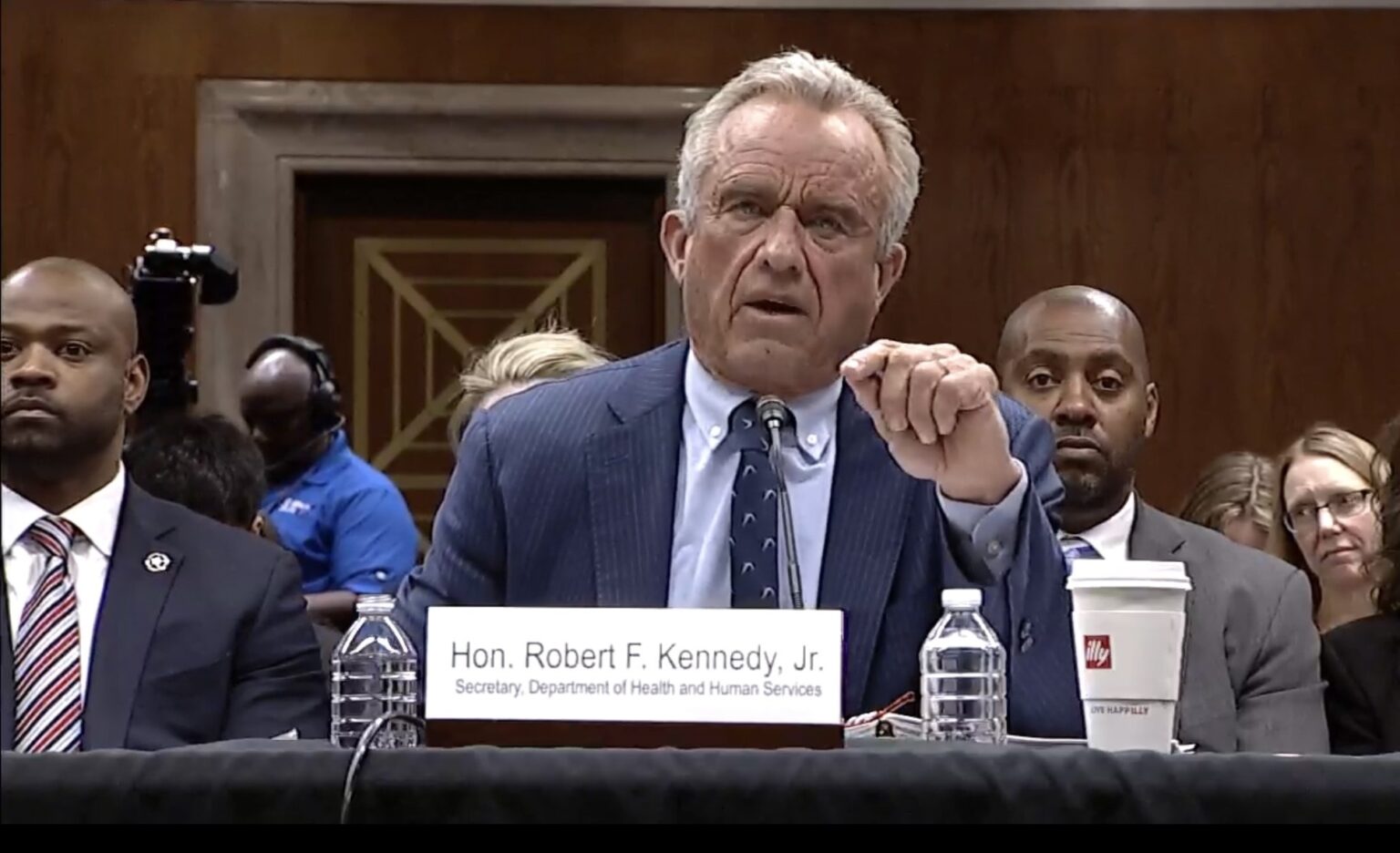
On a brisk November morning, the air in Bismarck buzzes with anticipation as community leaders gather for a significant event. Secretary of Health and Human Services Robert F. Kennedy Jr. is set to address pressing health issues affecting North Dakota's tribes during a press conference and roundtable discussion. This gathering promises to shed light on regenerative agriculture initiatives, a topic crucial for both health and sustainability in the region.
On Thursday, November 5, 2025, Secretary Kennedy will engage with tribal leaders and stakeholders in Bismarck to discuss the intersection of health and agriculture. This initiative is expected to focus on how regenerative agricultural practices can improve health outcomes for Indigenous communities. Senator Kevin Cramer, who announced Kennedy's visit, emphasized the importance of collaboration between government agencies and tribal nations in addressing health disparities.
Kennedy's involvement in the region marks a continued commitment to addressing health issues through innovative approaches. His previous visit in August 2025, where he announced the National Autism Missing Person Initiative in Rochester, Minnesota, showcased his dedication to community welfare and public health. This upcoming roundtable is anticipated to build upon that foundation by exploring new ways to enhance the health of North Dakota's tribal populations.
The focus on regenerative agriculture is particularly relevant given the historical challenges faced by Indigenous communities in North Dakota. Many tribes have struggled with health issues linked to diet and lifestyle, often exacerbated by limited access to fresh, nutritious food. Regenerative agriculture offers a pathway to not only improve food security but also enhance the overall health of these communities.
As agriculture evolves, the integration of sustainable practices is becoming increasingly vital. Regenerative agriculture emphasizes soil health, biodiversity, and ecosystem restoration, which can lead to improved food quality and health outcomes. The upcoming discussion aims to highlight these benefits and explore how tribal communities can implement these practices effectively.
The implications of this initiative extend beyond agriculture; they touch upon the very fabric of community life. Healthy families are the cornerstone of strong communities, and improving access to nutritious food can lead to better health outcomes for children and adults alike. As families thrive, so too does the community, fostering an environment where everyone can succeed.
Local leaders are optimistic about the potential outcomes of Kennedy's visit. They believe that the dialogue initiated during the roundtable could lead to actionable steps that empower tribes to take charge of their health and agricultural practices. This empowerment is essential in fostering resilience among Indigenous populations, who have historically faced numerous challenges.
Senator Cramer expressed his enthusiasm for the event, stating, "Bringing Secretary Kennedy to North Dakota is an opportunity for our tribes to engage directly with federal leadership on issues that matter deeply to them. Regenerative agriculture is not just about farming; it’s about health, sustainability, and the future of our communities."
Kennedy himself has been vocal about the need for innovative solutions in public health. He remarked, "The health of our communities is intrinsically linked to the health of our environment. By investing in regenerative practices, we can create a sustainable future for our children and grandchildren, ensuring they have access to the resources they need to thrive."
For those interested in learning more about regenerative agriculture and its benefits, several local organizations are dedicated to promoting sustainable practices. The North Dakota Department of Agriculture provides resources and support for farmers looking to transition to regenerative methods. Additionally, the North Dakota Tribal College offers programs aimed at educating community members about sustainable agriculture.
Residents can also connect with local non-profits such as the North Dakota Farmers Union and the Natural Resources Conservation Service, which offer workshops and resources for those interested in sustainable farming practices. Engaging with these organizations can provide valuable insights and support for families looking to improve their health through better agricultural practices.
As the date approaches, anticipation builds not only for Kennedy's visit but also for the potential changes it could inspire. The collaboration between federal agencies and tribal leaders is a step toward addressing long-standing health disparities within Indigenous communities. By focusing on regenerative agriculture, there is hope for a healthier future that honors both tradition and innovation.
In the lead-up to the event, community engagement will be crucial. Local leaders are encouraging residents to participate in discussions and share their experiences related to health and agriculture. This grassroots involvement is vital, as it allows for a diverse array of voices to be heard and ensures that the solutions developed are reflective of the community's needs and aspirations.
Many community members are already familiar with the challenges of food insecurity and health disparities. Stories from families struggling to access fresh produce or facing high rates of chronic illnesses highlight the urgency of the discussions that will take place during Kennedy's visit. By sharing these narratives, community members can help frame the conversation around regenerative agriculture, illustrating its potential impact on their lives.
Education will play a significant role in the success of regenerative agriculture initiatives. The North Dakota Tribal College has been at the forefront of this effort, offering courses that teach sustainable farming techniques and the importance of biodiversity. These educational programs not only empower individuals with knowledge but also foster a sense of stewardship for the land.
Moreover, the collaboration between educational institutions and local farmers can create mentorship opportunities, where experienced farmers can guide newcomers in adopting regenerative practices. This exchange of knowledge is critical for building a resilient agricultural community that can withstand economic and environmental challenges.
Following the roundtable discussion, it will be essential to establish clear action items that can be pursued by the participating tribes and organizations. This could include setting up pilot programs for regenerative agriculture, creating partnerships with local health organizations to monitor health outcomes, and developing educational campaigns to raise awareness about the benefits of these practices.
Additionally, ongoing dialogue between federal agencies and tribal leaders will be necessary to ensure that the initiatives launched have the support and resources needed for long-term success. The commitment to follow up on the discussions held during Kennedy's visit can serve as a catalyst for meaningful change in the health and well-being of North Dakota's Indigenous communities.
In the coming weeks, community members are encouraged to participate in the discussions and consider how they can contribute to these initiatives. The impact of Kennedy's visit will likely resonate far beyond the event itself, fostering a renewed commitment to health and sustainability in North Dakota's tribal communities.
By Erik Svenson

By Carlos Martinez

By Mark Gilliam

By Erik Svenson